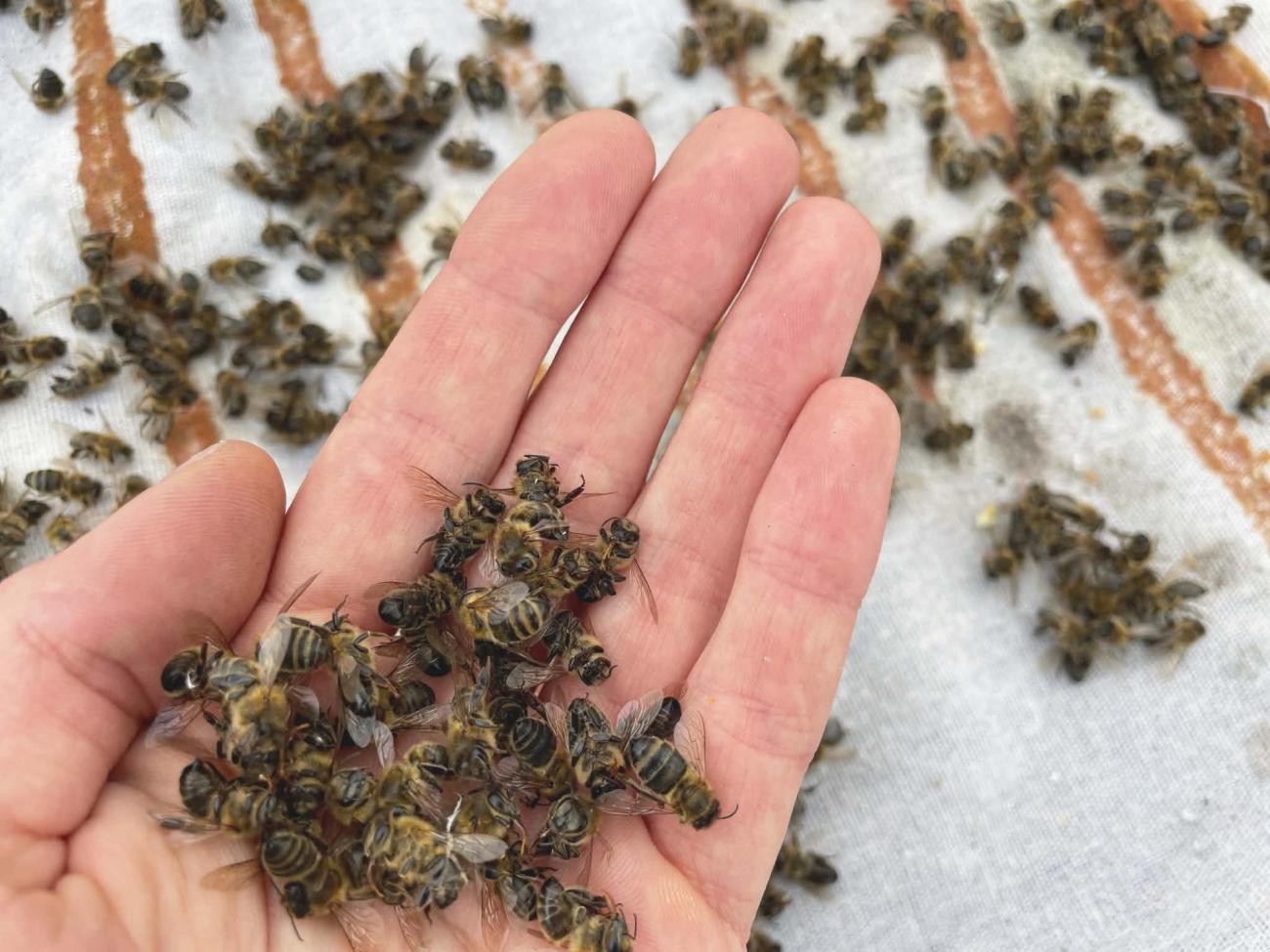
Can sensor data reveal where a temperature sensor has been installed? Can previous measurements help predict when a beehive’s weight will increase by at least 0.3 kg? These are the questions addressed by researchers from our Institute: Sebastian Górecki, Sławomir Hausman and Piotr Korbel, authors of the paper entitled “Behaviour-Based Temperature-Sensor Role Inference and Lagged Weight-Gain Event Prediction in Multi-Year Smart-Hive Telemetry”, published in the scientific journal Sensors (MDPI).
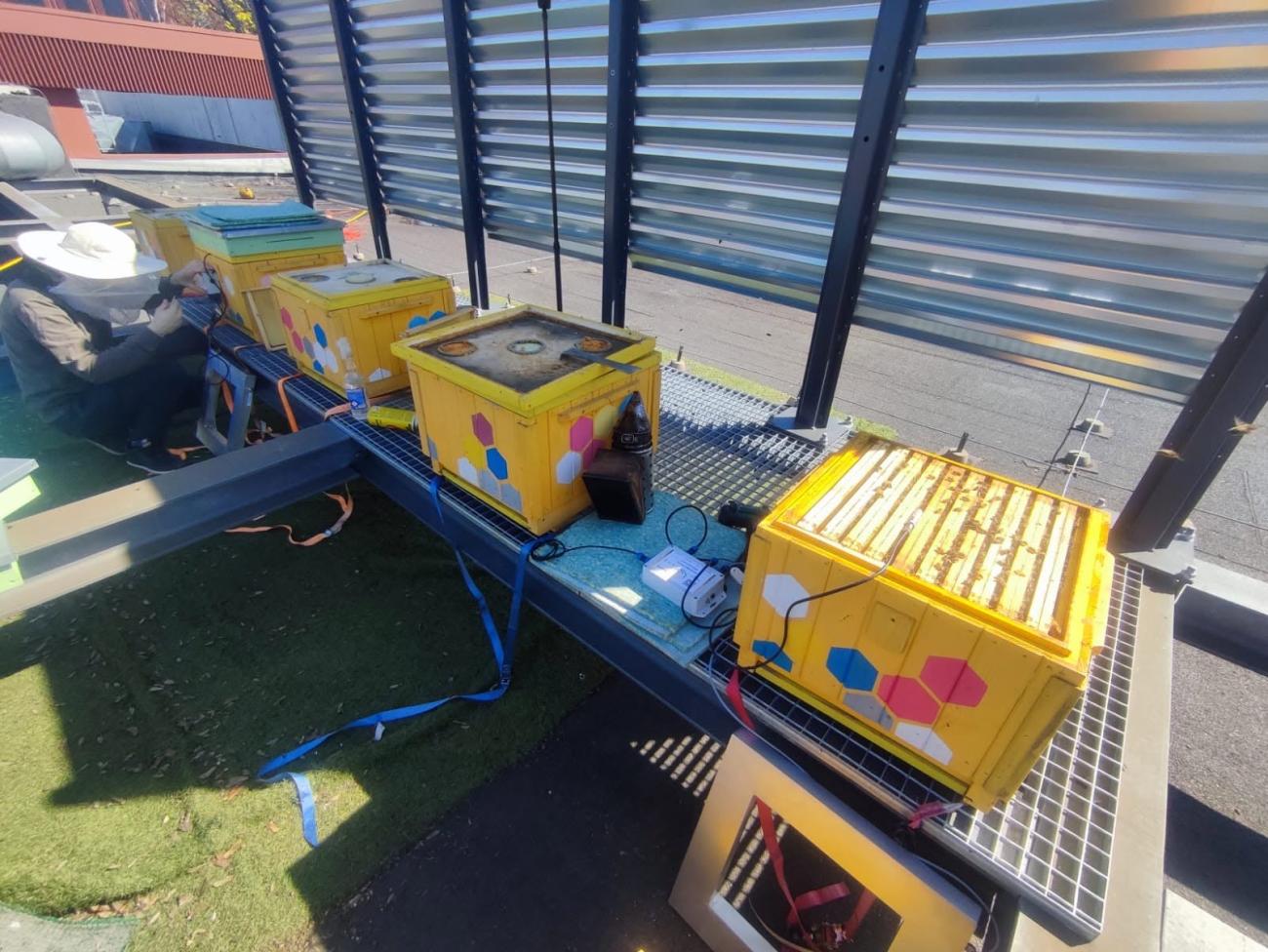
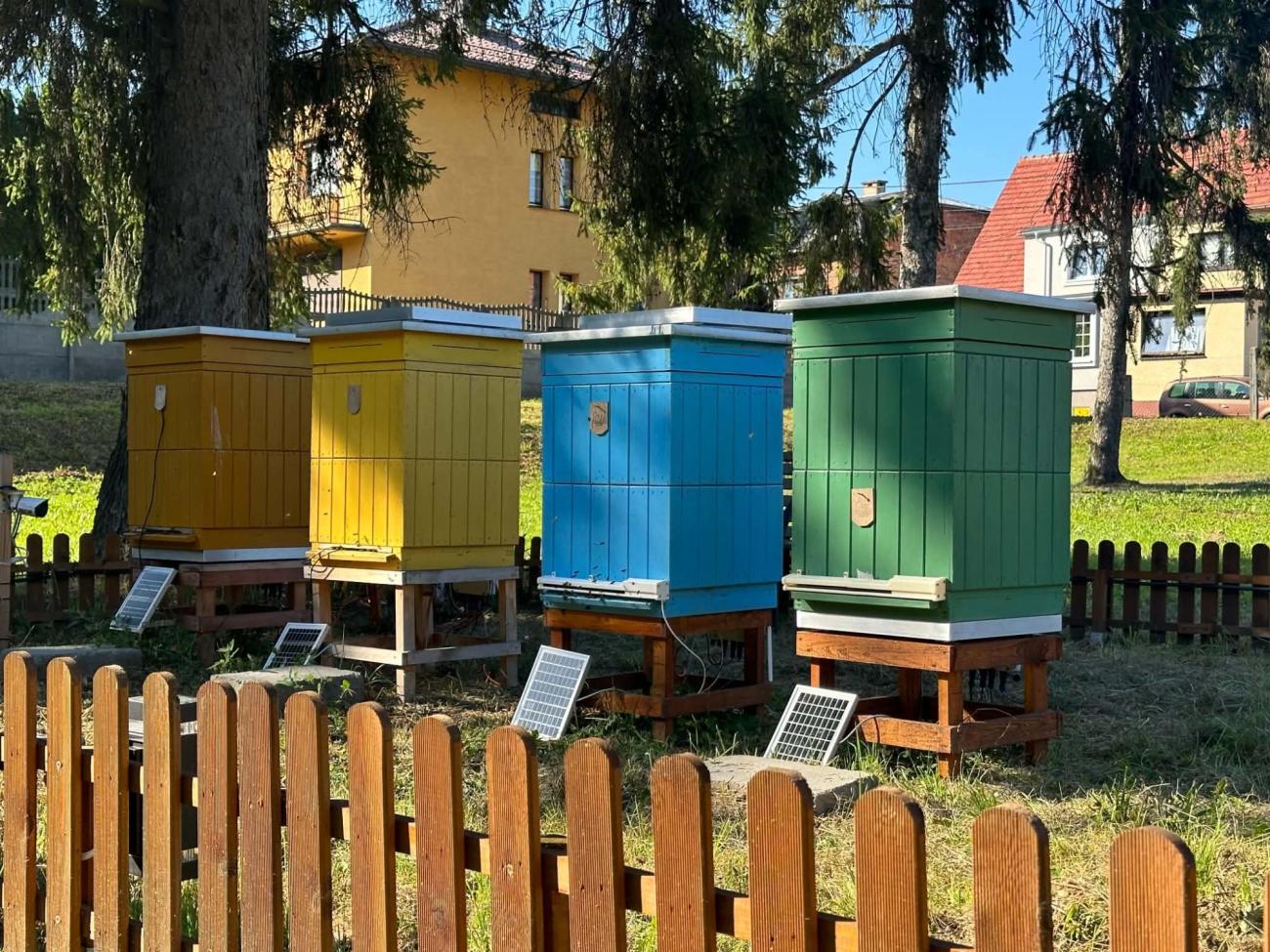
The study used multi-year telemetry data collected by the BeeHUB system between 2022 and 2025. The authors combined the analysis of thermal conditions inside beehives with predictive modelling in order to:
🔬 identify the probable roles of temperature sensors based on the characteristics of their readings,
📊 analyse the relationships between thermal conditions and changes in hive weight,
🤖 predict daily weight-gain events based on historical data.
The results show that the machine learning model used in the study predicted weight gains more effectively than a simple baseline method based on measurements from the previous day. The best results were achieved for the May-June period.
This publication is an example of how the Internet of Things (IoT), time-series analysis and artificial intelligence can be applied to environmental research. It demonstrates how data collected by smart monitoring systems can provide new insights and support the analysis of complex processes.
📖 We invite you to read the full paper:
Sebastian Górecki, Sławomir Hausman, Piotr Korbel "Behaviour-Based Temperature-Sensor Role Inference and Lagged Weight-Gain Event Prediction in Multi-Year Smart-Hive Telemetry", Sensors 2026, 26, 6684.
https://lnkd.in/dswV98W4
Image
Image
Image
Image